Ingredients
- Zucchini: The star of the show! Choose firm, medium-sized zucchini for the best texture and flavor. About 2 pounds is ideal for a family-sized side dish.
- Fresh Basil: Provides a vibrant, aromatic, and slightly sweet herbaceousness that perfectly complements the mild zucchini. You’ll need about 1/2 cup of packed fresh basil leaves.
- Olive Oil: Use good quality extra virgin olive oil for sautéing. It adds richness and enhances the flavors of the zucchini and basil. About 3 tablespoons will be perfect.
- Garlic: Adds a pungent and savory depth to the dish. Fresh garlic cloves, minced, are highly recommended for the best flavor. You’ll need 2-3 cloves, depending on your preference.
- Salt: Essential for seasoning and bringing out the natural flavors of the zucchini. Use kosher salt or sea salt for best results.
- Black Pepper: Freshly ground black pepper adds a subtle spice and complexity.
- Lemon Juice (Optional): A squeeze of fresh lemon juice at the end brightens the flavors and adds a touch of acidity.
Instructions
This recipe for Sautéed Zucchini with Basil is incredibly straightforward, making it perfect for cooks of all skill levels. The key to truly delicious sautéed zucchini lies in a few simple techniques that ensure the zucchini is tender-crisp and flavorful, not mushy or bland. Let’s walk through each step to guarantee your success in creating this delightful side dish.
Step 1: Preparing the Zucchini
The first step, and a crucial one, is to properly prepare your zucchini. Start by washing the zucchini thoroughly under cool running water to remove any dirt or residue. Pat them dry with a clean kitchen towel or paper towels. Excess moisture can hinder the sautéing process and lead to steaming instead of browning, which we want to avoid for the best flavor and texture.
Next, trim off both ends of each zucchini. These ends are typically tough and don’t cook as nicely. Now comes the decision on how to cut the zucchini. For sautéing, there are several excellent options, each offering a slightly different texture and cooking time.
- Slices: For a classic look and even cooking, slice the zucchini into rounds that are about 1/4 to 1/2 inch thick. Thinner slices will cook faster, but can also become softer more quickly. Slightly thicker slices hold their shape better and provide a bit more bite. This is a versatile cut that works well for this recipe.
- Half-Moons: If your zucchini are particularly large, you can first halve them lengthwise, and then slice each half into half-moons of about 1/4 to 1/2 inch thickness. This is a good option for larger zucchini as it creates more manageable pieces for sautéing.
- Diced: For a more rustic and quicker-cooking approach, you can dice the zucchini into cubes of roughly 1/2 inch. Diced zucchini cooks quickly and is great for incorporating into other dishes later if you have leftovers.
- Sticks (Batons): Cut the zucchini lengthwise into planks about 1/2 inch thick, and then cut those planks into sticks. This cut provides a nice textural contrast, with slightly crispy edges and a tender interior.
For this recipe, slices or half-moons are generally recommended as they sauté evenly and present beautifully. Once you’ve decided on your preferred cut and prepared the zucchini, set it aside while you get the other ingredients ready.
Step 2: Preparing the Garlic and Basil
While the zucchini is prepped, let’s move on to the flavor enhancers: garlic and basil. Fresh garlic is essential for this recipe as it provides a pungent aroma and savory depth that complements the zucchini and basil perfectly. Peel 2-3 cloves of garlic. The amount of garlic is adjustable to your preference; if you love garlic, go for 3 cloves, if you prefer a milder flavor, 2 will suffice.
Mince the garlic finely. Mincing ensures that the garlic flavor is evenly distributed throughout the zucchini and that it cooks quickly in the hot oil without burning. You can use a garlic press, a sharp knife to mince it by hand, or a combination of both. Set the minced garlic aside.
Next, prepare the fresh basil. Fresh basil is the aromatic heart of this dish, lending its sweet, slightly peppery, and herbaceous notes. You’ll need about 1/2 cup of packed fresh basil leaves. Wash the basil leaves gently under cool water and pat them dry. To maximize the basil flavor and prevent it from becoming bruised or discolored during cooking, we’ll add it at the very end. For now, simply stack the basil leaves and roll them up lengthwise like a cigar. Then, thinly slice the rolled basil crosswise to create chiffonade. This technique releases the basil’s fragrant oils and makes it easy to incorporate into the dish at the right time. Set the chiffonade basil aside.
Step 3: Sautéing the Zucchini
Now we’re ready for the magic to happen – sautéing the zucchini! Place a large skillet or sauté pan over medium-high heat. A stainless steel or cast iron skillet works particularly well for sautéing as they distribute heat evenly and allow for good browning. Let the skillet heat up for a minute or two until it’s nice and hot.
Once the pan is hot, add 3 tablespoons of good quality extra virgin olive oil. Let the oil heat up for about 30 seconds, until it shimmers and flows easily in the pan. You’ll know the oil is ready when it has a slight sheen and moves smoothly when you tilt the pan. Don’t let the oil get too hot and start smoking, as this can impart a burnt flavor to your dish.
Add the minced garlic to the hot oil and sauté for about 30 seconds to 1 minute, until it becomes fragrant and lightly golden. Be careful not to burn the garlic, as burnt garlic can taste bitter. Keep it moving in the pan and watch it closely. The aroma of sautéing garlic is incredibly enticing and a good indicator that you’re on the right track.
Immediately after the garlic becomes fragrant, add the prepared zucchini to the skillet. It’s important not to overcrowd the pan. Overcrowding will lower the pan temperature and cause the zucchini to steam instead of sauté, resulting in a mushy texture. If you have a lot of zucchini, it’s best to sauté it in batches. Spread the zucchini in a single layer in the hot skillet.
Season the zucchini generously with salt and freshly ground black pepper. Salt is crucial for drawing out moisture and enhancing the flavor of the zucchini. Use about 1/2 to 3/4 teaspoon of salt initially, and you can adjust seasoning later to taste. Freshly ground black pepper adds a subtle spice and complexity.
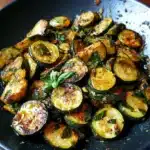
Sauté the zucchini, stirring occasionally, for about 5-7 minutes, or until it becomes tender-crisp and lightly browned. The cooking time will vary slightly depending on the thickness of your zucchini slices and the heat of your pan. You want the zucchini to be cooked through but still have a slight bite to it, not completely soft and mushy. Stirring occasionally ensures even cooking and browning on all sides. You’ll notice the zucchini will release some moisture initially, but as it cooks, the moisture will evaporate, and the zucchini will start to caramelize and develop those desirable slightly browned edges.
Step 4: Finishing Touches and Serving
Once the zucchini is tender-crisp and lightly browned, remove the skillet from the heat. This is important to stop the cooking process and prevent the zucchini from becoming overcooked.
Now, gently stir in the chiffonade basil. The heat from the cooked zucchini will be enough to slightly wilt the basil and release its wonderful aroma. Stir just until the basil is incorporated and fragrant, about 10-15 seconds. Adding the basil at the very end preserves its bright green color and fresh flavor.
At this stage, taste the sautéed zucchini and adjust the seasoning if needed. You may want to add a bit more salt or pepper to taste. If you like a touch of brightness, squeeze a little fresh lemon juice over the zucchini. Lemon juice adds a lovely acidity that balances the richness of the olive oil and complements the basil and garlic beautifully. Start with about 1 teaspoon of lemon juice and add more to your liking.
Transfer the Sautéed Zucchini with Basil to a serving dish. Serve it immediately while it’s warm for the best flavor and texture. This dish is delicious as a side dish alongside grilled chicken, fish, steak, or vegetarian main courses. It’s also wonderful served over pasta, quinoa, or couscous, or as part of a Mediterranean-inspired meal.
Nutrition
- Serving Size: one normal portion
- Calories: 85
- Fat: 6g