
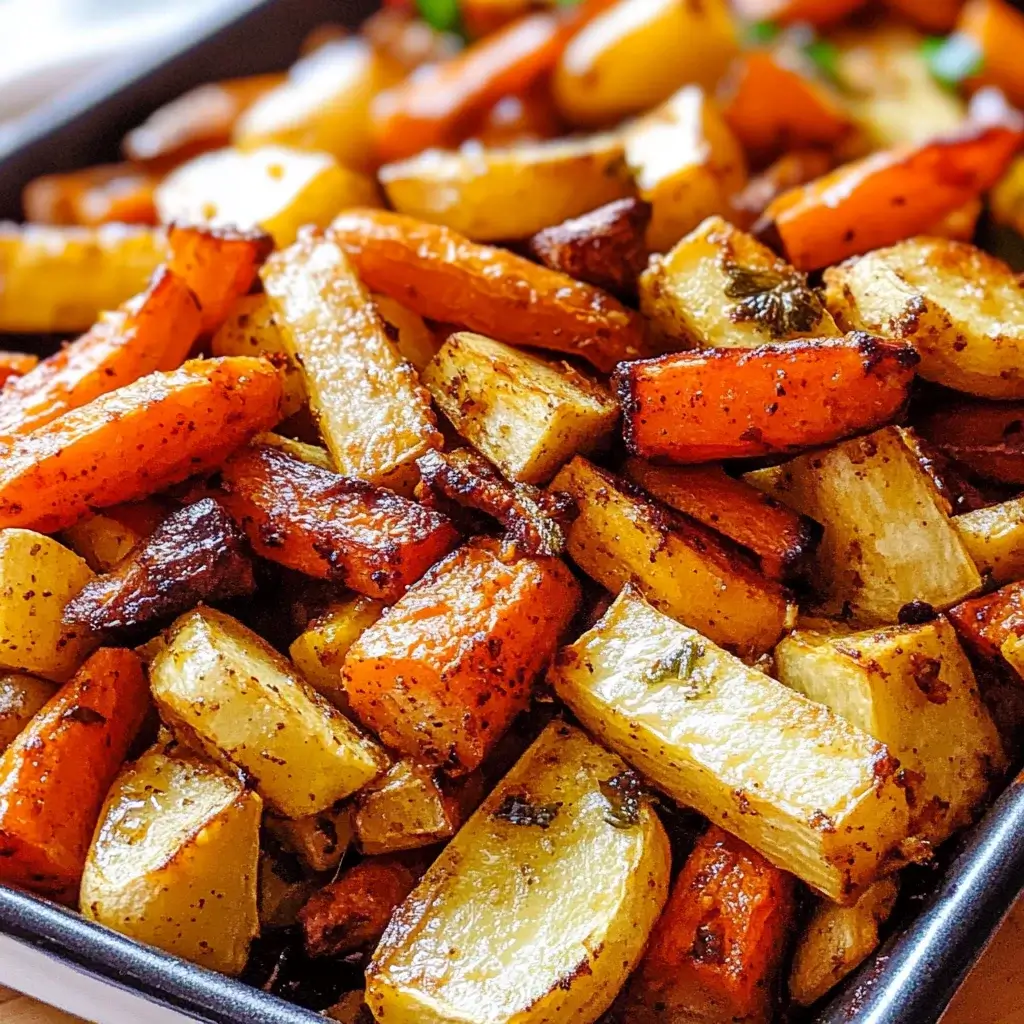
In our home, weeknight dinners are often a balancing act between healthy, delicious, and – let’s be honest – something that everyone will actually eat without complaint. Finding a side dish that ticks all those boxes can sometimes feel like searching for a culinary unicorn. That’s where this Maple Roasted Carrots & Parsnips recipe truly shines. From the moment the sweet aroma of roasting vegetables fills the kitchen, you know you’re onto something good. The subtle caramelization from the maple syrup, the earthy sweetness of the parsnips, and the vibrant color of the carrots create a dish that’s as visually appealing as it is flavorful. Even my notoriously vegetable-averse son asks for seconds of these! They’re tender, slightly sweet, and have just a hint of savory depth that makes them the perfect accompaniment to everything from roast chicken to grilled salmon or even a hearty lentil loaf. Trust me, this simple yet elegant side dish will quickly become a family favorite in your home too. It’s a testament to how humble root vegetables, when treated with a little love and maple magic, can transform into something truly extraordinary.
Ingredients for Maple Roasted Carrots & Parsnips
- Carrots: 2 pounds, peeled and cut into roughly equal-sized batons. Choose carrots that are firm and brightly colored for the best flavor and visual appeal. The size doesn’t have to be perfect, but uniformity helps them cook evenly.
- Parsnips: 2 pounds, peeled and cut into roughly equal-sized batons, similar in size to the carrots. Parsnips offer a slightly nutty and sweeter flavor than carrots, adding complexity to the dish. Select firm parsnips without blemishes.
- Maple Syrup: 1/4 cup, pure maple syrup, preferably Grade A Dark or Very Dark for a richer flavor. Avoid pancake syrup, which is typically corn syrup based and lacks the depth of real maple syrup. The maple syrup is the star of the glaze, providing sweetness and a beautiful caramelized finish.
- Olive Oil: 3 tablespoons, extra virgin olive oil. Olive oil helps the vegetables roast beautifully and adds a subtle fruity note. You can substitute with other neutral oils like avocado oil if preferred.
- Apple Cider Vinegar: 1 tablespoon. A touch of acidity balances the sweetness of the maple syrup and adds brightness to the dish. Apple cider vinegar is ideal, but white wine vinegar or balsamic vinegar could also be used in a pinch.
- Fresh Thyme: 2 sprigs, or 1 teaspoon dried thyme. Thyme adds a fragrant, earthy herb note that complements the sweetness of the vegetables and maple syrup. Fresh thyme is preferable, but dried works well too. Rosemary or sage could also be used for variation.
- Salt: 1 teaspoon, or to taste. Salt enhances all the flavors and is crucial for bringing out the natural sweetness of the vegetables. Use kosher salt or sea salt for best results.
- Black Pepper: 1/2 teaspoon, freshly ground, or to taste. Freshly ground black pepper adds a subtle spice and depth of flavor. Adjust to your preference.
Instructions for Perfect Maple Roasted Carrots & Parsnips
- Preheat Your Oven and Prepare Baking Sheet: Begin by preheating your oven to 400°F (200°C). This high temperature is essential for roasting the vegetables and achieving that desirable caramelization. While the oven is heating, prepare a large baking sheet. Line it with parchment paper for easy cleanup, or simply grease it lightly with olive oil to prevent sticking. Using a large baking sheet is important to ensure the vegetables are spread in a single layer, which promotes even roasting. Overcrowding the pan will steam the vegetables instead of roasting them, resulting in a less crispy and flavorful dish.
- Prepare the Carrots and Parsnips: Wash and peel the carrots and parsnips thoroughly. Peeling removes any potential bitterness and ensures a smoother texture. Trim off the ends of both vegetables. The key to even roasting is to cut the carrots and parsnips into roughly uniform pieces. Aim for batons that are about 2-3 inches long and ½ inch thick. This size allows them to cook through at the same rate and develop a lovely roasted exterior. If some pieces are significantly larger than others, they will take longer to cook and may be undercooked while the smaller pieces are overcooked. Don’t worry about perfect uniformity, but try to keep them reasonably similar in size.
- Combine Vegetables and Olive Oil: In a large bowl, place the prepared carrots and parsnips. Drizzle them with the olive oil. Using your hands or a spatula, toss the vegetables to ensure they are evenly coated with the oil. Olive oil is crucial for roasting as it helps the vegetables brown and prevents them from drying out. Make sure every piece is lightly coated; this will contribute to a beautifully roasted texture.
- Add Maple Syrup, Apple Cider Vinegar, Thyme, Salt, and Pepper: Pour the maple syrup and apple cider vinegar over the oiled vegetables. Sprinkle the thyme, salt, and black pepper on top. Again, toss everything together until the vegetables are evenly coated with the maple-vinegar mixture and spices. The maple syrup is the star of the glaze, providing sweetness and that signature maple flavor. The apple cider vinegar adds a touch of acidity to balance the sweetness and prevent the dish from becoming cloying. The thyme infuses a subtle herbaceous note that complements the root vegetables beautifully. Ensure the seasonings are distributed evenly for consistent flavor in every bite.
- Arrange Vegetables on Baking Sheet: Spread the seasoned carrots and parsnips in a single layer on the prepared baking sheet. It’s crucial to avoid overcrowding the pan. If the vegetables are packed too tightly, they will steam instead of roast, resulting in softer, less caramelized vegetables. If necessary, use two baking sheets to ensure a single layer. Arranging them in a single layer allows hot air to circulate around each piece, promoting even browning and caramelization.
- Roast in the Oven: Place the baking sheet in the preheated oven and roast for 30-40 minutes. The roasting time will depend on the size of your vegetable pieces and your oven’s performance. After about 20 minutes, gently toss the vegetables with a spatula or tongs. This helps them cook and brown evenly on all sides. Continue roasting until the carrots and parsnips are tender when pierced with a fork and nicely caramelized and slightly browned around the edges. Keep an eye on them towards the end of the cooking time to prevent burning, especially if your oven tends to run hot. The edges should be beautifully browned and slightly crisp, while the inside should be tender and sweet.
- Check for Doneness and Adjust Seasoning: To check for doneness, pierce a carrot or parsnip piece with a fork. It should be easily pierced and feel tender, not mushy or hard. Once they are tender, remove the baking sheet from the oven. Taste the roasted vegetables and adjust the seasoning if necessary. You might want to add a pinch more salt or pepper to enhance the flavors. If you prefer a sweeter glaze, you can drizzle a little extra maple syrup over them after roasting. A final sprinkle of fresh thyme or parsley can also add a touch of freshness and visual appeal.
- Serve Hot and Enjoy: Serve the Maple Roasted Carrots & Parsnips immediately while they are hot and at their best. The warmth enhances the flavors and textures of the roasted vegetables. They make a fantastic side dish for a variety of main courses, from roasted meats and poultry to vegetarian and vegan entrees. The beautiful presentation and delicious flavor make them a welcome addition to any meal.
Nutrition Facts for Maple Roasted Carrots & Parsnips (per serving)
- Serving Size: Approximately 1 cup
- Calories: 150 kcal
- Total Fat: 7g
(Note: Nutritional information is an estimate and can vary based on specific ingredients and portion sizes.)
Preparation Time for Maple Roasted Carrots & Parsnips
This recipe is wonderfully simple and efficient, making it perfect for busy weeknights or elegant enough for special occasions. The active preparation time, which includes peeling and chopping the vegetables and mixing the glaze, is approximately 20 minutes. The majority of the cooking time is hands-off, as the oven does most of the work during the 30-40 minute roasting period. This allows you to focus on other aspects of your meal preparation or simply relax while the delicious aroma fills your kitchen. From start to finish, you can have this flavorful and healthy side dish ready in under an hour, making it a convenient and delicious choice for any meal.
How to Serve Maple Roasted Carrots & Parsnips
Maple Roasted Carrots & Parsnips are incredibly versatile and can be served in a variety of ways to complement different meals and occasions. Their sweet and savory flavor profile pairs well with numerous dishes. Here are some serving suggestions:
- As a Classic Side Dish:
- Roast Chicken or Turkey: The sweetness of the roasted vegetables beautifully balances the savory flavors of roast poultry.
- Pork Tenderloin or Chops: Maple roasted root vegetables are a natural partner for pork, enhancing its richness.
- Beef Roast or Steak: The caramelized vegetables add a touch of elegance and sweetness to heartier beef dishes.
- Grilled Salmon or White Fish: The sweetness and subtle acidity of the vegetables complement the delicate flavor of fish.
- Lentil Loaf or Vegetarian Nut Roast: For vegetarian and vegan meals, these roasted vegetables provide a satisfying and flavorful side.
- Elevate Your Holiday Table:
- Thanksgiving or Christmas Dinner: Maple Roasted Carrots & Parsnips add a touch of autumnal or winter warmth and color to festive holiday meals.
- Easter Brunch or Dinner: The vibrant colors and fresh flavors are perfect for spring celebrations.
- Creative Serving Ideas:
- Grain Bowls: Add roasted carrots and parsnips to grain bowls with quinoa, farro, or brown rice, along with protein and other vegetables for a complete and nutritious meal.
- Salads: Toss cooled roasted carrots and parsnips into a warm salad with baby spinach, goat cheese, and a balsamic vinaigrette.
- Soup Topping: Dice leftover roasted vegetables and use them as a flavorful topping for creamy vegetable soups like butternut squash or carrot ginger soup.
- Tacos or Wraps: Shred roasted carrots and parsnips and add them to vegetarian tacos or wraps for a sweet and savory filling.
- Alongside Eggs for Brunch: Serve as a colorful and healthy side with scrambled eggs, omelets, or frittatas for a weekend brunch.
- Garnish and Presentation:
- Fresh Herbs: Garnish with a sprinkle of fresh thyme, parsley, or chopped chives for added freshness and visual appeal.
- Toasted Nuts: Add a sprinkle of toasted pecans, walnuts, or hazelnuts for a crunchy texture and nutty flavor.
- Crumbled Feta or Goat Cheese: For a tangy and creamy contrast, crumble a bit of feta or goat cheese over the warm roasted vegetables.
- Drizzle of Balsamic Glaze: A light drizzle of balsamic glaze can add a touch of sweetness and acidity and enhance the caramelized flavors.
Additional Tips for the Best Maple Roasted Carrots & Parsnips
- Choose Fresh, High-Quality Vegetables: The foundation of any great vegetable dish is starting with fresh, flavorful ingredients. Select carrots and parsnips that are firm, brightly colored, and free from blemishes. Avoid vegetables that are soft, wilted, or have sprouted roots. Fresh vegetables will roast better and have a more vibrant flavor.
- Cut Vegetables Uniformly: As mentioned earlier, cutting the carrots and parsnips into roughly equal-sized pieces is crucial for even cooking. This ensures that all pieces cook at the same rate and are tender and caramelized at the same time. Unevenly sized pieces will result in some being overcooked and others undercooked.
- Don’t Overcrowd the Baking Sheet: Giving the vegetables space on the baking sheet is essential for roasting, not steaming. Overcrowding the pan traps moisture and prevents browning. If necessary, use two baking sheets to ensure a single layer of vegetables. Proper spacing allows hot air to circulate around each piece, promoting caramelization and crisp edges.
- Use Real Maple Syrup: For the best flavor, use pure maple syrup, preferably Grade A Dark or Very Dark. Avoid pancake syrup, which is typically corn syrup-based and lacks the complex flavor of real maple syrup. Real maple syrup provides a depth of sweetness and a unique flavor profile that is essential to this recipe.
- Adjust Sweetness to Your Preference: If you prefer a less sweet dish, you can reduce the amount of maple syrup slightly. Conversely, if you have a sweeter tooth, you can add a bit more. Taste the glaze mixture before adding it to the vegetables and adjust the maple syrup to your liking. You can also balance the sweetness with a bit more apple cider vinegar or a squeeze of lemon juice.
- Experiment with Herbs and Spices: While thyme is a classic pairing with maple and root vegetables, feel free to experiment with other herbs and spices to customize the flavor profile. Rosemary, sage, or even a pinch of cinnamon or nutmeg can add interesting nuances. Consider adding a touch of red pepper flakes for a subtle hint of heat.
- Roast at a High Temperature: Roasting at 400°F (200°C) is key to achieving caramelization and tender vegetables. High heat encourages browning and helps the natural sugars in the vegetables to caramelize, creating those delicious roasted flavors. Lower temperatures may result in softer, less flavorful vegetables.
- Toss Halfway Through Roasting: Tossing the vegetables halfway through the roasting time ensures even cooking and browning on all sides. This simple step helps to distribute the heat and prevent sticking. Use a spatula or tongs to gently flip and rearrange the vegetables on the baking sheet.
Frequently Asked Questions (FAQ) about Maple Roasted Carrots & Parsnips
Q1: Can I use different types of root vegetables in this recipe?
A: Absolutely! This recipe is very adaptable to other root vegetables. You can easily substitute or add other root vegetables like sweet potatoes, butternut squash, turnips, or beets. Just ensure that you cut them into similar sizes to the carrots and parsnips for even cooking. Keep in mind that different vegetables may have slightly different cooking times, so adjust accordingly.
Q2: Can I make this recipe ahead of time?
A: While Maple Roasted Carrots & Parsnips are best served fresh and hot, you can prepare them partially in advance. You can peel and cut the vegetables and make the maple glaze mixture ahead of time and store them separately in the refrigerator. When you are ready to cook, simply toss the vegetables with the glaze and roast them. If you need to fully cook them ahead of time, they can be reheated, but they may lose some of their crispness. Reheat them gently in a 350°F (175°C) oven until warmed through.
Q3: I don’t have apple cider vinegar; can I use something else?
A: Yes, you can substitute apple cider vinegar with other types of vinegar or citrus juice. White wine vinegar, balsamic vinegar (use sparingly as it’s stronger), or even lemon juice or orange juice can provide the necessary acidity to balance the sweetness of the maple syrup. The flavor will be slightly different, but they will still work well.
Q4: Can I use dried herbs instead of fresh thyme?
A: Yes, dried thyme is a perfectly acceptable substitute for fresh thyme in this recipe. Use about 1 teaspoon of dried thyme in place of 2 sprigs of fresh thyme. Dried herbs are more concentrated in flavor, so you’ll need to use less. Other dried herbs like rosemary or sage can also be used.
Q5: How do I prevent the vegetables from sticking to the baking sheet?
A: To prevent sticking, make sure to either line your baking sheet with parchment paper or grease it well with olive oil. Also, ensure that the vegetables are adequately coated with olive oil before roasting. Tossing them halfway through the roasting process can also help prevent sticking and promote even browning.
Q6: Can I make this recipe vegan?
A: Yes, this recipe is naturally vegan as it contains no animal products. Ensure that you are using pure maple syrup, as some syrups may contain honey. Olive oil is a plant-based oil, and all other ingredients are plant-derived.
Q7: My roasted vegetables are not caramelizing; what am I doing wrong?
A: Several factors can affect caramelization. First, make sure your oven is preheated to the correct temperature (400°F/200°C). Roasting at a lower temperature will not promote browning. Secondly, avoid overcrowding the baking sheet, as this steams the vegetables instead of roasting them. Ensure you are using real maple syrup, as its sugars contribute to caramelization. Finally, roasting time may vary depending on your oven and the size of your vegetable pieces. Roast until they are tender and visibly browned and caramelized.
Q8: Can I add other seasonings to this recipe?
A: Absolutely! Feel free to customize the seasoning to your liking. Garlic powder, onion powder, smoked paprika, cumin, or a pinch of red pepper flakes can all add interesting flavor dimensions. Consider adding a sprinkle of grated Parmesan cheese for the last few minutes of roasting for a non-vegan variation. Experiment with different spice blends to create your own signature Maple Roasted Root Vegetable dish.
Print
Maple Roasted Carrots & Parsnips
Ingredients
- Carrots: 2 pounds, peeled and cut into roughly equal-sized batons. Choose carrots that are firm and brightly colored for the best flavor and visual appeal. The size doesn’t have to be perfect, but uniformity helps them cook evenly.
- Parsnips: 2 pounds, peeled and cut into roughly equal-sized batons, similar in size to the carrots. Parsnips offer a slightly nutty and sweeter flavor than carrots, adding complexity to the dish. Select firm parsnips without blemishes.
- Maple Syrup: 1/4 cup, pure maple syrup, preferably Grade A Dark or Very Dark for a richer flavor. Avoid pancake syrup, which is typically corn syrup based and lacks the depth of real maple syrup. The maple syrup is the star of the glaze, providing sweetness and a beautiful caramelized finish.
- Olive Oil: 3 tablespoons, extra virgin olive oil. Olive oil helps the vegetables roast beautifully and adds a subtle fruity note. You can substitute with other neutral oils like avocado oil if preferred.
- Apple Cider Vinegar: 1 tablespoon. A touch of acidity balances the sweetness of the maple syrup and adds brightness to the dish. Apple cider vinegar is ideal, but white wine vinegar or balsamic vinegar could also be used in a pinch.
- Fresh Thyme: 2 sprigs, or 1 teaspoon dried thyme. Thyme adds a fragrant, earthy herb note that complements the sweetness of the vegetables and maple syrup. Fresh thyme is preferable, but dried works well too. Rosemary or sage could also be used for variation.
- Salt: 1 teaspoon, or to taste. Salt enhances all the flavors and is crucial for bringing out the natural sweetness of the vegetables. Use kosher salt or sea salt for best results.
- Black Pepper: 1/2 teaspoon, freshly ground, or to taste. Freshly ground black pepper adds a subtle spice and depth of flavor. Adjust to your preference.
Instructions
- Preheat Your Oven and Prepare Baking Sheet: Begin by preheating your oven to 400°F (200°C). This high temperature is essential for roasting the vegetables and achieving that desirable caramelization. While the oven is heating, prepare a large baking sheet. Line it with parchment paper for easy cleanup, or simply grease it lightly with olive oil to prevent sticking. Using a large baking sheet is important to ensure the vegetables are spread in a single layer, which promotes even roasting. Overcrowding the pan will steam the vegetables instead of roasting them, resulting in a less crispy and flavorful dish.
- Prepare the Carrots and Parsnips: Wash and peel the carrots and parsnips thoroughly. Peeling removes any potential bitterness and ensures a smoother texture. Trim off the ends of both vegetables. The key to even roasting is to cut the carrots and parsnips into roughly uniform pieces. Aim for batons that are about 2-3 inches long and ½ inch thick. This size allows them to cook through at the same rate and develop a lovely roasted exterior. If some pieces are significantly larger than others, they will take longer to cook and may be undercooked while the smaller pieces are overcooked. Don’t worry about perfect uniformity, but try to keep them reasonably similar in size.
- Combine Vegetables and Olive Oil: In a large bowl, place the prepared carrots and parsnips. Drizzle them with the olive oil. Using your hands or a spatula, toss the vegetables to ensure they are evenly coated with the oil. Olive oil is crucial for roasting as it helps the vegetables brown and prevents them from drying out. Make sure every piece is lightly coated; this will contribute to a beautifully roasted texture.
- Add Maple Syrup, Apple Cider Vinegar, Thyme, Salt, and Pepper: Pour the maple syrup and apple cider vinegar over the oiled vegetables. Sprinkle the thyme, salt, and black pepper on top. Again, toss everything together until the vegetables are evenly coated with the maple-vinegar mixture and spices. The maple syrup is the star of the glaze, providing sweetness and that signature maple flavor. The apple cider vinegar adds a touch of acidity to balance the sweetness and prevent the dish from becoming cloying. The thyme infuses a subtle herbaceous note that complements the root vegetables beautifully. Ensure the seasonings are distributed evenly for consistent flavor in every bite.
- Arrange Vegetables on Baking Sheet: Spread the seasoned carrots and parsnips in a single layer on the prepared baking sheet. It’s crucial to avoid overcrowding the pan. If the vegetables are packed too tightly, they will steam instead of roast, resulting in softer, less caramelized vegetables. If necessary, use two baking sheets to ensure a single layer. Arranging them in a single layer allows hot air to circulate around each piece, promoting even browning and caramelization.
- Roast in the Oven: Place the baking sheet in the preheated oven and roast for 30-40 minutes. The roasting time will depend on the size of your vegetable pieces and your oven’s performance. After about 20 minutes, gently toss the vegetables with a spatula or tongs. This helps them cook and brown evenly on all sides. Continue roasting until the carrots and parsnips are tender when pierced with a fork and nicely caramelized and slightly browned around the edges. Keep an eye on them towards the end of the cooking time to prevent burning, especially if your oven tends to run hot. The edges should be beautifully browned and slightly crisp, while the inside should be tender and sweet.
- Check for Doneness and Adjust Seasoning: To check for doneness, pierce a carrot or parsnip piece with a fork. It should be easily pierced and feel tender, not mushy or hard. Once they are tender, remove the baking sheet from the oven. Taste the roasted vegetables and adjust the seasoning if necessary. You might want to add a pinch more salt or pepper to enhance the flavors. If you prefer a sweeter glaze, you can drizzle a little extra maple syrup over them after roasting. A final sprinkle of fresh thyme or parsley can also add a touch of freshness and visual appeal.
- Serve Hot and Enjoy: Serve the Maple Roasted Carrots & Parsnips immediately while they are hot and at their best. The warmth enhances the flavors and textures of the roasted vegetables. They make a fantastic side dish for a variety of main courses, from roasted meats and poultry to vegetarian and vegan entrees. The beautiful presentation and delicious flavor make them a welcome addition to any meal.
Nutrition
- Serving Size: one normal portion
- Calories: 150
- Fat: 7g